People
Mark Ho (Principal Investigator)
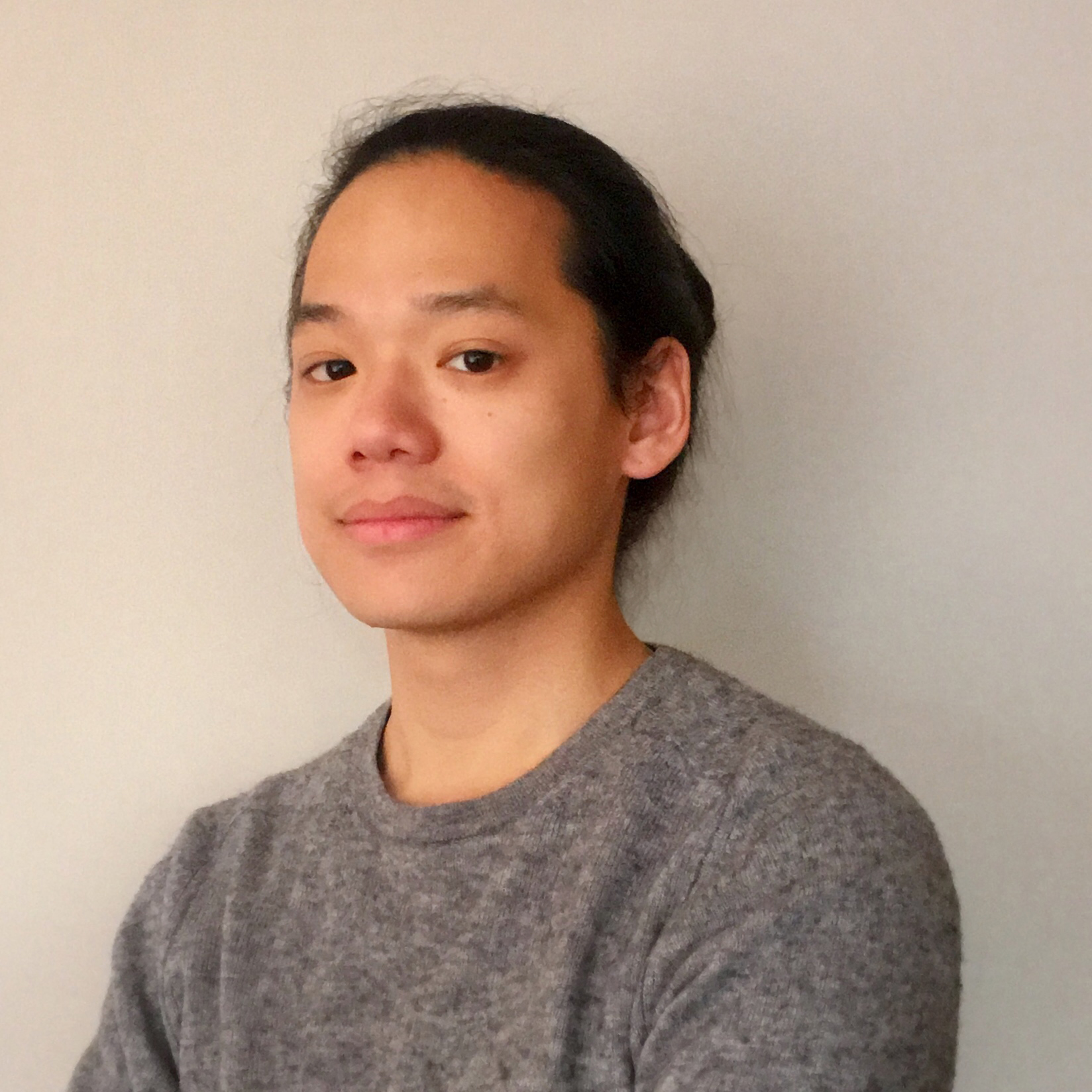
My research examines the cognitive, motivational, and social processes that
underpin human problem solving. I am especially interested in questions surrounding
the structure and interpretation of intentional action, such as:
How do people organize their thoughts and actions when pursuing individual or shared goals?
How do people interpret and influence the intentional behavior of others using theory of mind?
How do complex social phenomena emerge from the interplay of individual intentions?
I am also interested in how approaches from computational cognitive science can
inform the development of intelligent machines that interact with people.
CV -
Personal webpage -
Bluesky -
Twitter -
Google Scholar -
GitHub
Sounak Banerjee (Postdoc)
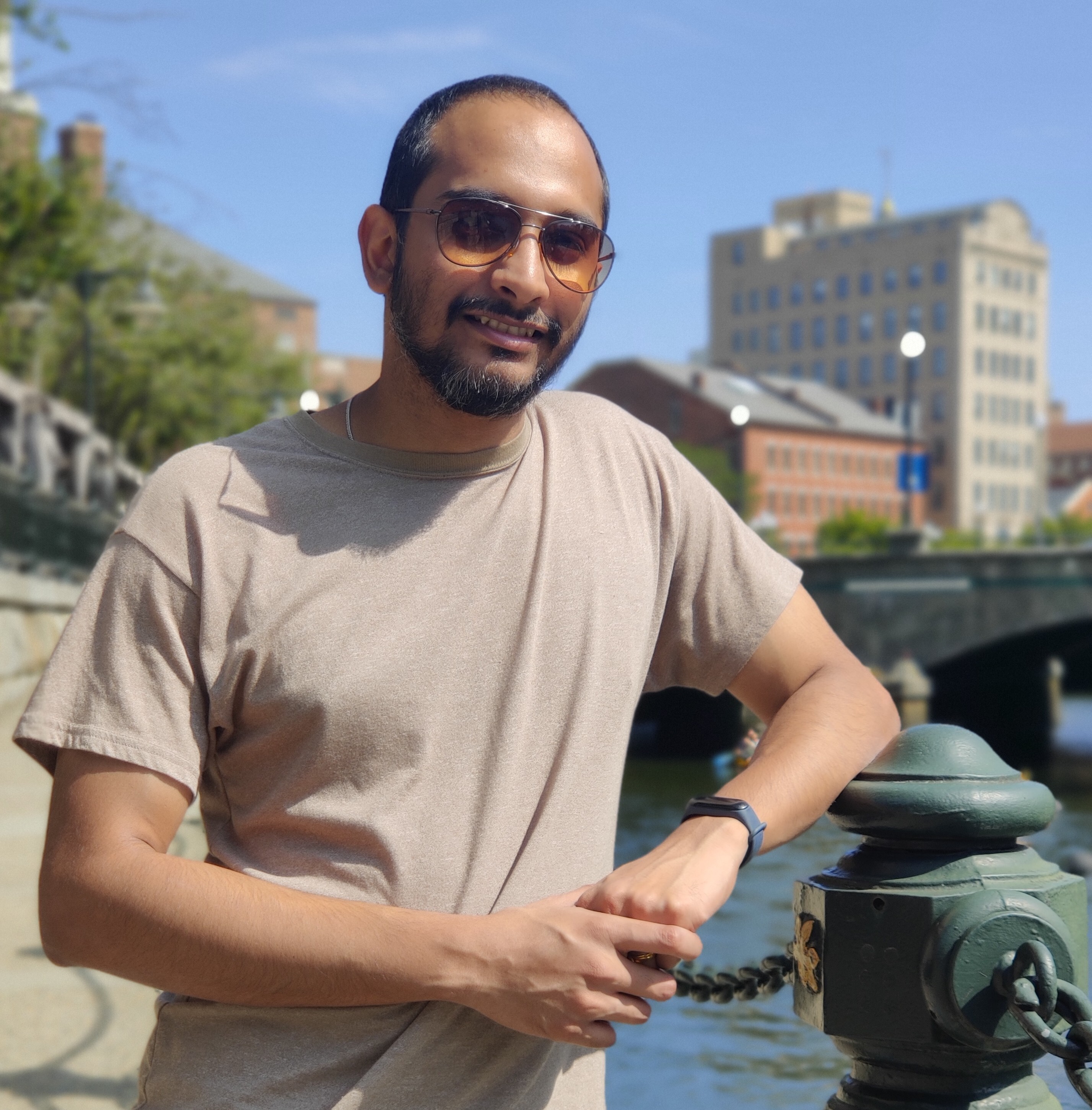
My research interests lie in human behavior in complex tasks,
specifically where humans need to process large amounts of information in limited time,
to make decisions. I primarily rely on statistical and computational modeling to
identify how individuals filter and integrate complex information and adapt to
dynamic task contexts. I am particularly focused on skill acquisition and expert
strategies for optimal behavior in complex paradigms. I completed my PhD in
Cognitive Science from Rensselaer Polytechnic Institute under my advisors Dr.
Wayne Gray and Dr. Chris Sims, studying team coordination in complex tasks.
As postdoctoral associate at the Computation and Decision-Making Lab,
I will be conducting research on optimal strategies for teaching people how to drive.
Personal webpage
Marianna Zhang (Postdoc)
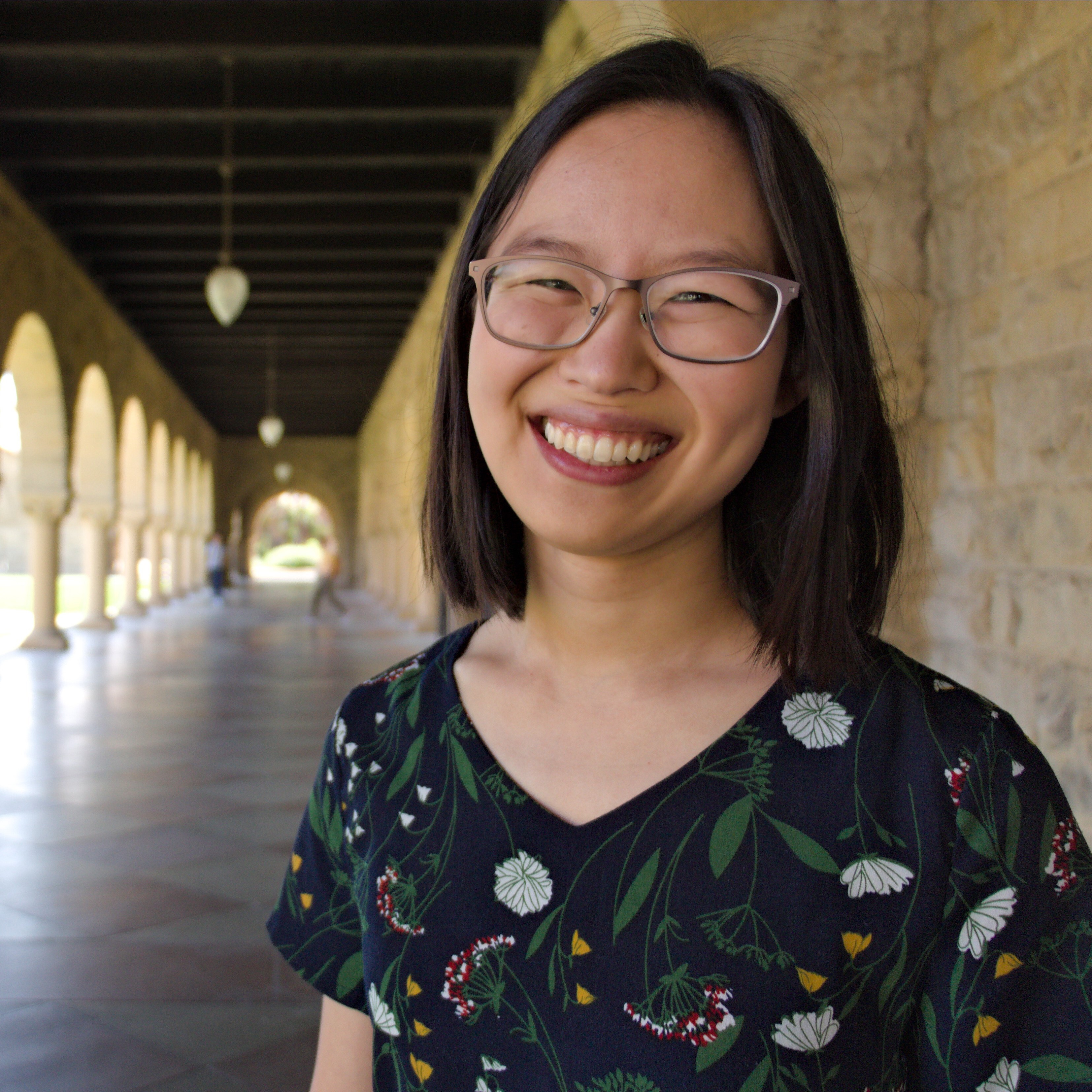
I'm a developmental cognitive scientist studying how children learn about social categories.
How do children form beliefs about social groups?
How do children think about social structures?
I'm currently a postdoctoral fellow in psychology advised by Marjorie Rhodes.
I received my PhD in psychology from Stanford University, advised by Ellen Markman,
and my BA in psychology with a minor in philosophy from the University of Chicago.
Personal webpage
Maya Malaviya (Ph.D. Student)
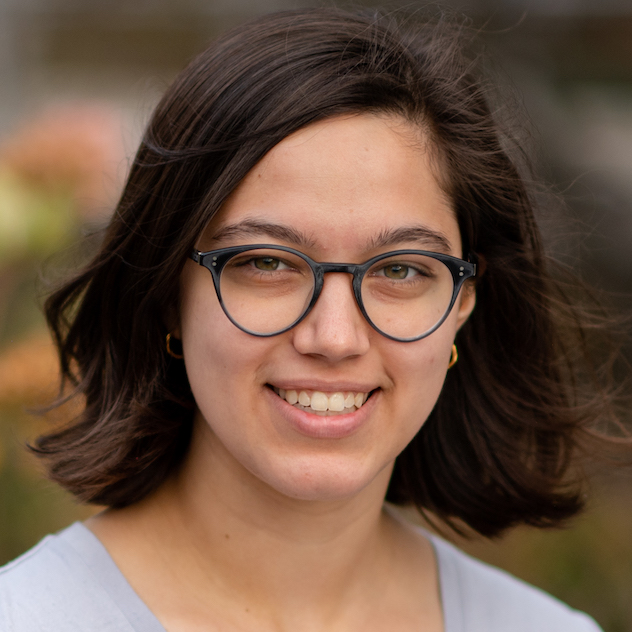
In my PhD, I am excited to explore decision-theoretic and program synthesis
models of human cognition and behavior. For instance, how do we represent
the tasks we want to accomplish, and when do different representations
elicit different attitudes and behaviors? How do we decide what representations
to prioritize and communicate?
In the past, I have worked as a lab manager in the
Computational Cognitive Science &
Concepts and Cognition
Labs at Princeton,
earned my B.A. in Cognitive Science from
UC Berkeley,
and worked as a computer science educator at the
Lawrence Hall of Science.
Jing Li (Graduate student collaborator)
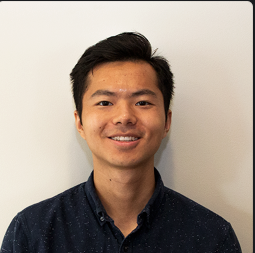
I am a Ph.D. candidate at the Icahn School of Medicine at Mount Sinai,
advised by Angela Radulescu. Motivated by a broad interest in how
self-efficacy beliefs arise, update, and steer behavior, I formalize
self-efficacy within reinforcement-learning frameworks and test these models
in both computational agents and human participants.
My work bridges reinforcement learning and computational psychiatry to
understand how fluctuations in self-efficacy shape decision making and
contribute to manic risk in bipolar disorder.
I build self-efficacy models in RL, design behavioral tasks, and ultimately
aim to translate these insights into digital diagnostics and adaptive
interventions for mood disorders.
Ryan Fayyazi (Graduate student collaborator)
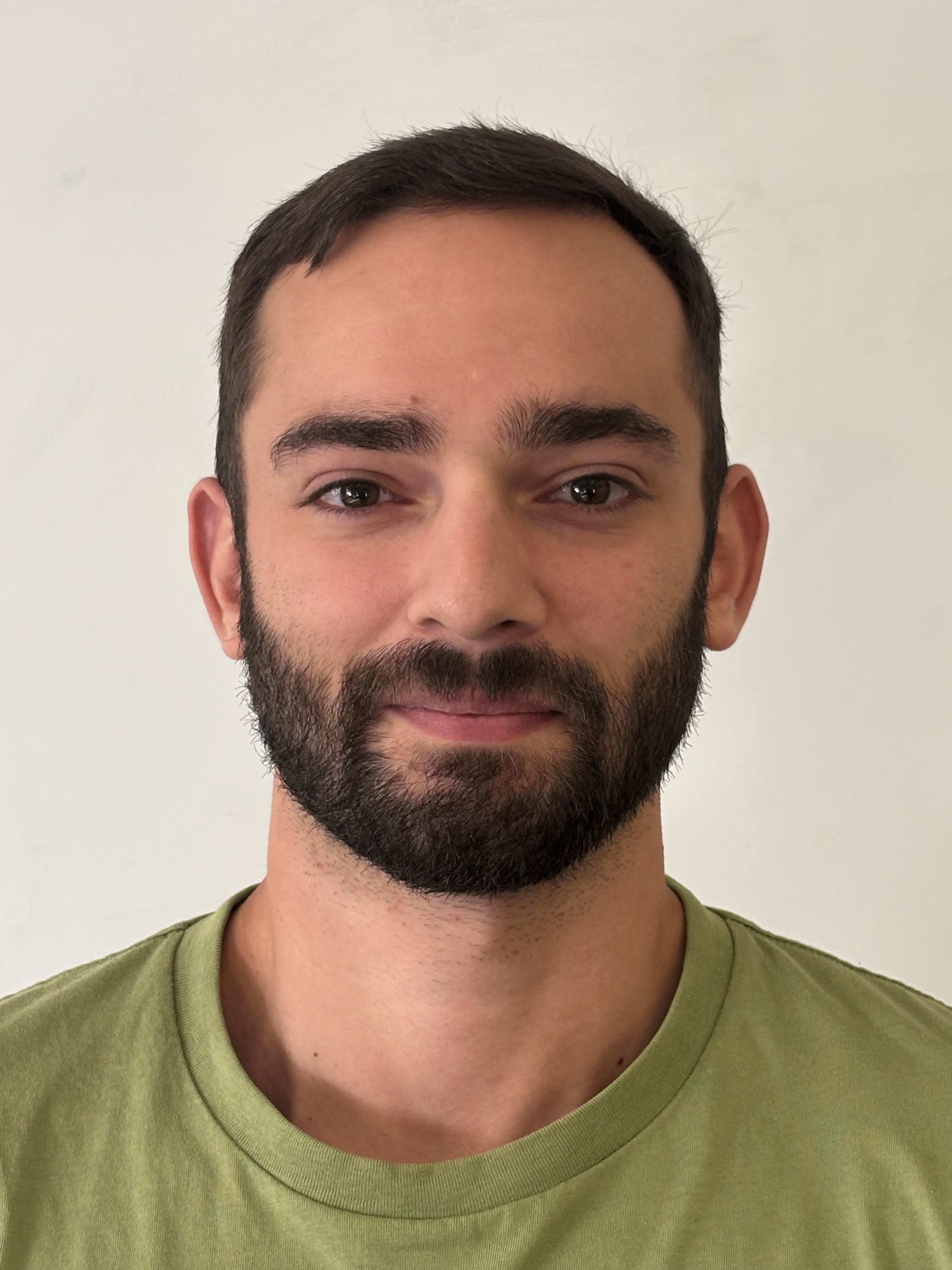
Ryan is a PhD student in the Cognition & Perception program, advised
by Cate Hartley. At the Ho Lab, Ryan is working on goal-directed
exploration, task decomposition, and abstraction for reinforcement learning.
Broadly, Ryan is interested in modeling the cognitive algorithms underlying
open-ended autotelic decision-making in animals, and building similarly
capable artificial agents.
Jeroen Olieslagers (Graduate student collaborator)
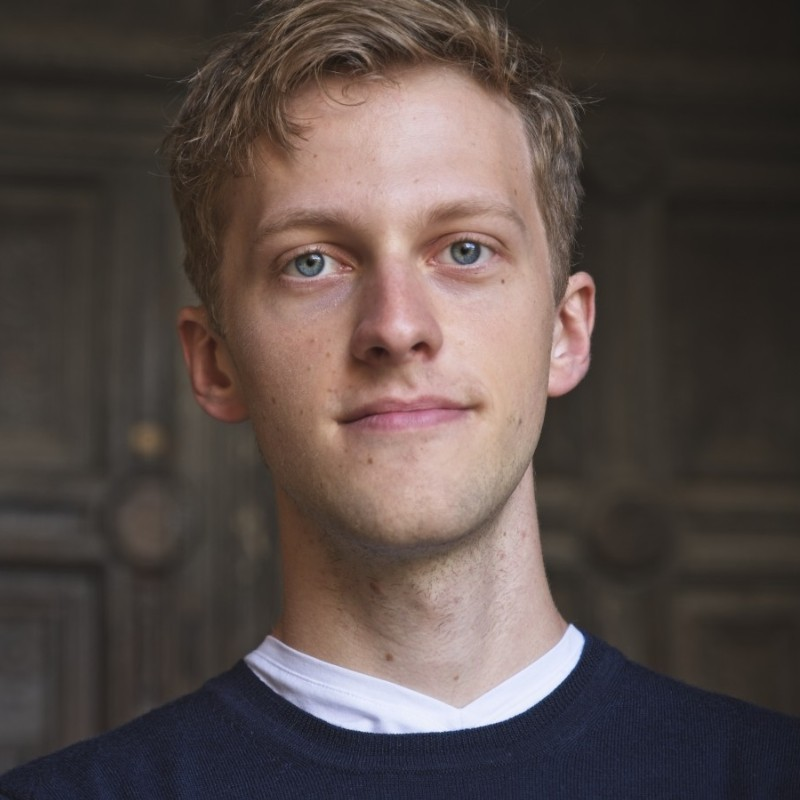
Jeroen Olieslagers is a PhD candidate in the Center for Neural Science at NYU,
advised by Wei Ji Ma. He is broadly interested in how people solve problems.
Currently, he is investigating the mechanisms of planning in complex problem
solving using the games of Rush Hour and four-in-a-row. Before NYU,
Jeroen got his MEng and BA in Computer and Information Engineering from
the University of Cambridge.
Sev Harootonian (Graduate student collaborator)
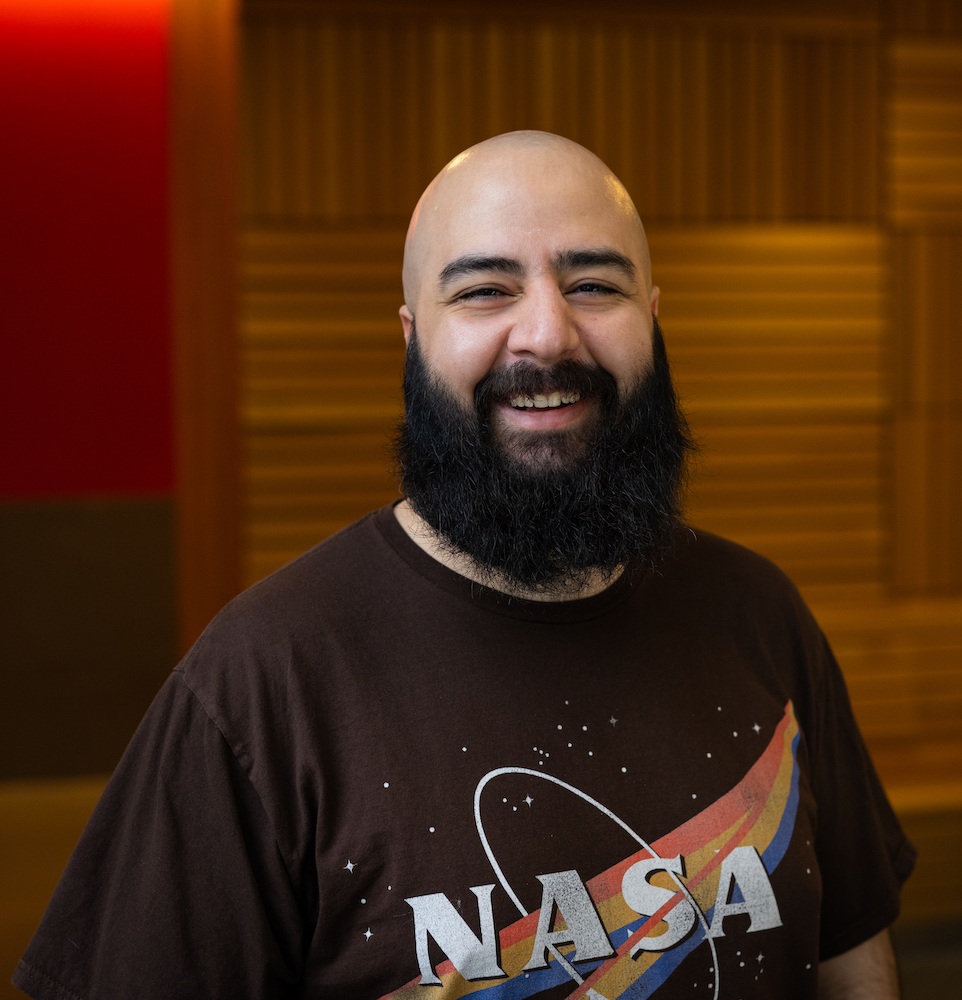
Hello! I'm Sevan Harootonian, but I go by Sev. I'm interested in studying
mentorship and understanding the cognitive mechanisms that contribute to
its success. One project I've been working on examines how people infer
others' knowledge to determine the best way to teach them. I use
Reinforcement Learning and Bayesian models to figure out what mental
strategies people apply in teaching situations. Teaching is just one aspect
of mentorship, and I'm also interested in other important factors,
such as inspiration and motivation.
Bonnie Yang (Undergraduate RA)
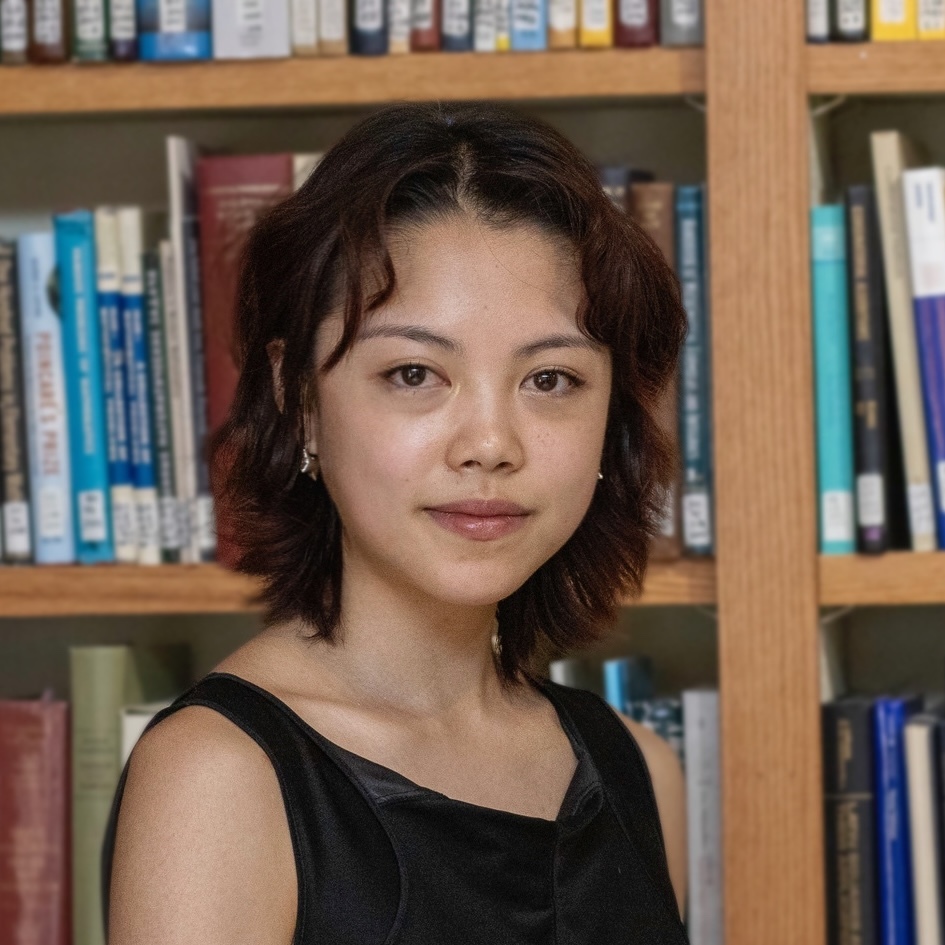
I am an undergraduate at Barnard College double majoring in mathematics and
cognitive science. My current work focuses on what individual computational
processes enable flexible specialization at the group level during joint
problem-solving. I am also broadly interested in mathematical reasoning,
including how people perceive “affordances” in abstract mathematical
objects and effectively acquire these representations from others.
Divya Srinivasan (Lab Manager)
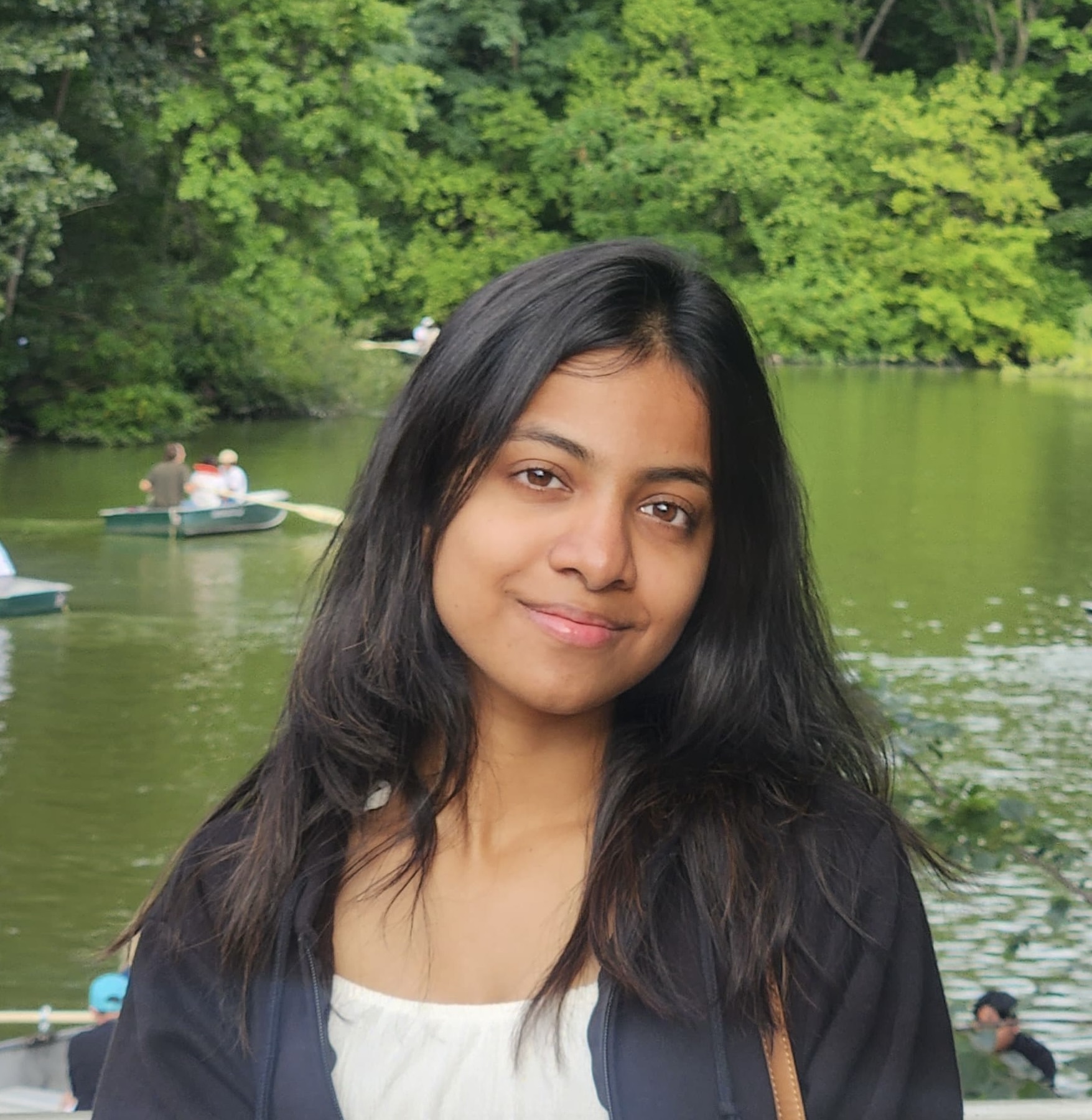
Hi! I’m Divya, graduate student majoring in Computer Science at NYU.
I’m interested in language and decision making in humans and machines.
I’m fascinated by how humans update their beliefs by combining prior knowledge
with new information, and the condition under which this breaks down.
I am also interested in learner modeling and diagnostic inference,
particularly how observers reason about the underlying cognitive processes
that produced a given behavior. Outside the lab, I love crocheting and hiking!
Collaborators, alumni, friends of the lab